Riverwatch Report March 2021
Volunteer Riverwatch patrols recommenced on February 4th after the end-of-year break. There have been 5 of these, run as usual on alternate Tuesdays and Thursdays.



Volunteer Riverwatch patrols recommenced on February 4th after the end-of-year break. There have been 5 of these, run as usual on alternate Tuesdays and Thursdays.
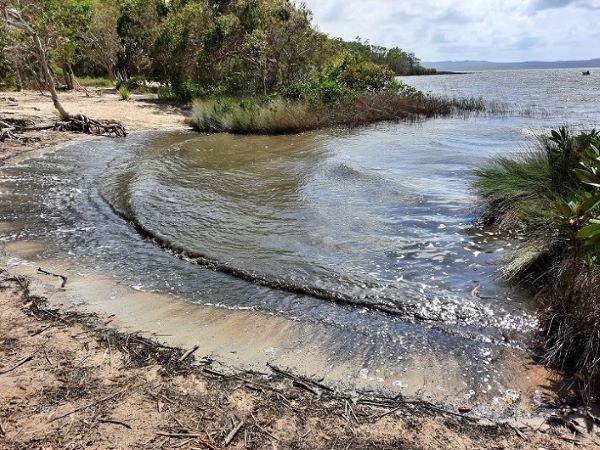
Our Lake Cootharabah team in particular have reported some very interesting observations following heavy rain and storms recorded on January 16/17 and 18/19, when Boreen Point received 64 and 69 mm respectively, but rainfall thereafter was much lower through into February.
If you are not already a member of the Noosa Integrated Catchment Assoc (NICA), you are invited to join.
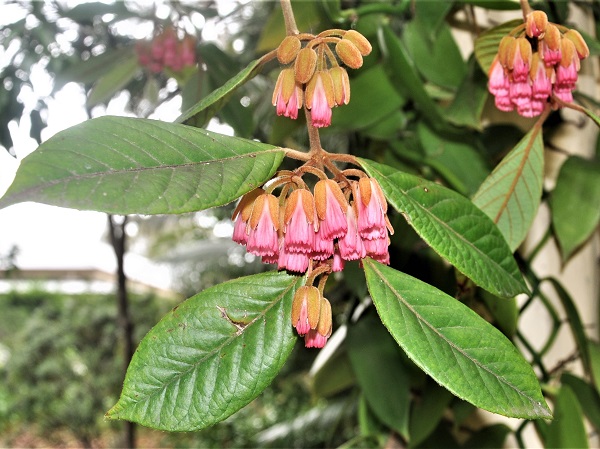
In this post, Robert Price gives advice on propagation methods with his preferred method being from seed. This produces a seedling with genetic variability and a new generation of the species which is one more step along the evolutionary path.
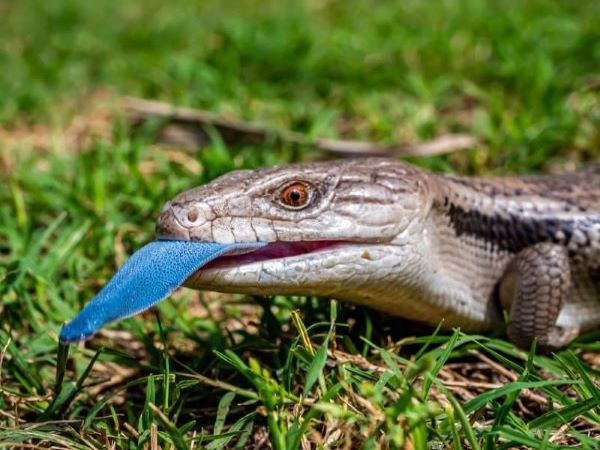
Blue Tongue Lizards are well known around Australia and I haven’t met anyone who doesn’t enjoy a visit from them. This post includes a photo from UWG member Mary from Tewantin who recently had two inspect her garden and links to two articles from About Animals and Backyard Buddies that gives hints to make your garden attractive to blue tongues.
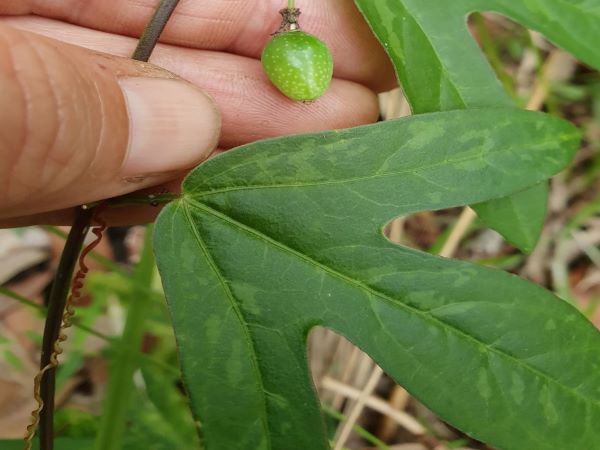
Michelle's plant of the month for February is Passion fruit. In this post she shares and excellent Land For Wildlife article that compares the nine species found here, three native and six exotic. The Corky passionfruit is one that impacts the most on our local bushland and will feature in the March newsletter.
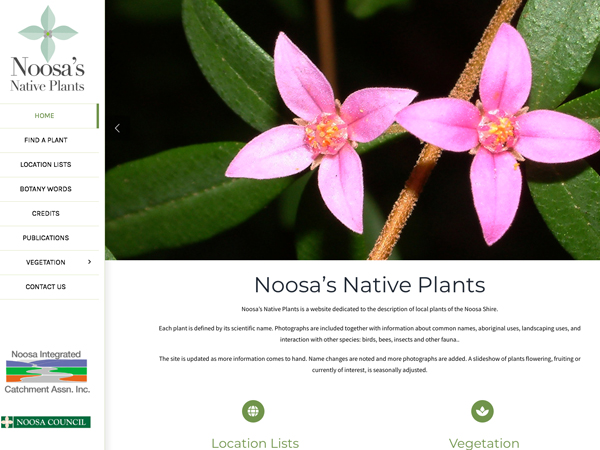
Noosa's Native Plants website has been re-built with the support of a Noosa Council Community Environment grant. The website is an important resource used frequently and freely by members of the public and NRM practitioners throughout South East Qld.
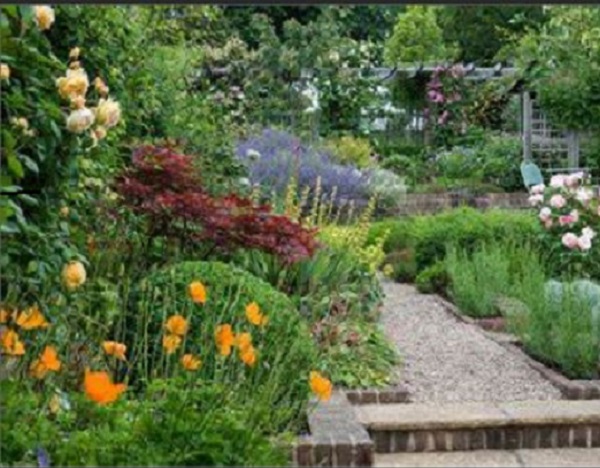
Michelle's garden tip of the month is to move mulch around. In the storm season mulch is useful during the hot days to reduce soil moisture loss but it can also be a barrier in lighter rain reaching the soil. Moving mulch away from plants just before the rains hit will allow water to penetrate the soil. Moving it back when the rain stops reduces evaporation and keeps the moisture where its most useful, in the soil!
Feeding wildlife is a controversial issue. This article from Land for Wildlife looks at the negative effects of feeding wildlife, other ways to make a garden attractive to fauna and responsible feeding options. Rather than providing food directly, habitat can be created for wildlife by planting food supplies and providing shelters that will encourage wildlife to keep returning.
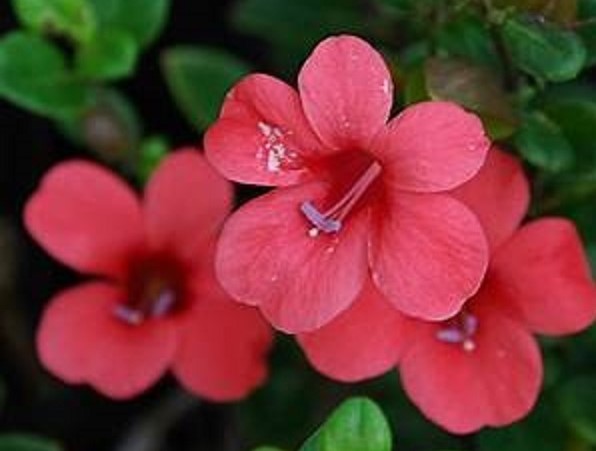
The weed of the month is a very pretty ground cover called Coral creeper (Barleria repens). With attractive pinkish red flowers that bloom year round, it’s easy to see why it has been used in coastal gardens. The problem with Coral creeper is that it is so well suited to the local conditions, it out competes most other plants, natives and exotics. Due to its ability to blanket big areas and suppress growth of other plants, Coral creeper sits in the Red zone – Remove from Gardens.