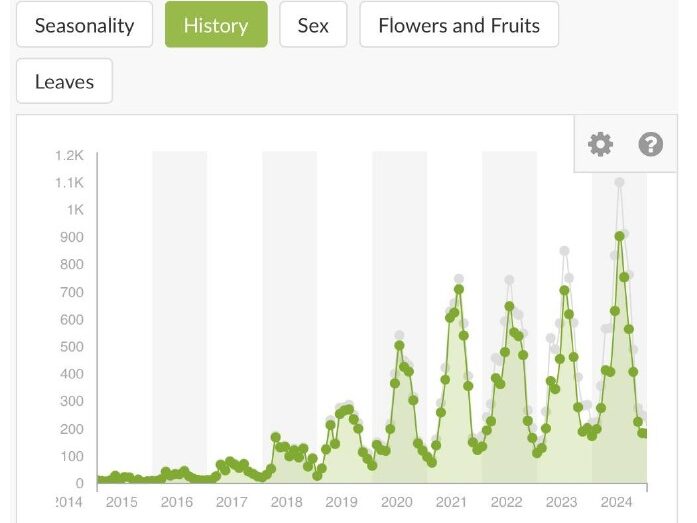

NICA had 2 fabulous excursions to the Noosa River Mouth to remove a recent, extensive colony of invasive American Sea Rocket.
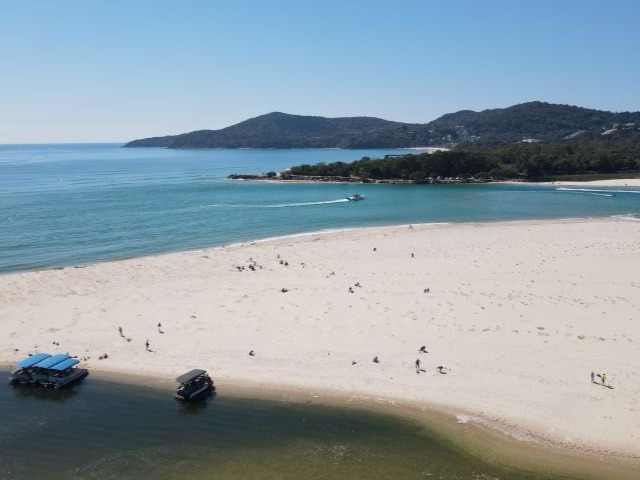
The aim was to remove it before it set seed and create further infestations, as seed is spread by tides, along the river system or out onto the beaches. In particular, we needed to protect native vegetation important for migratory bird habitat on Sand Island, within the river estuary.
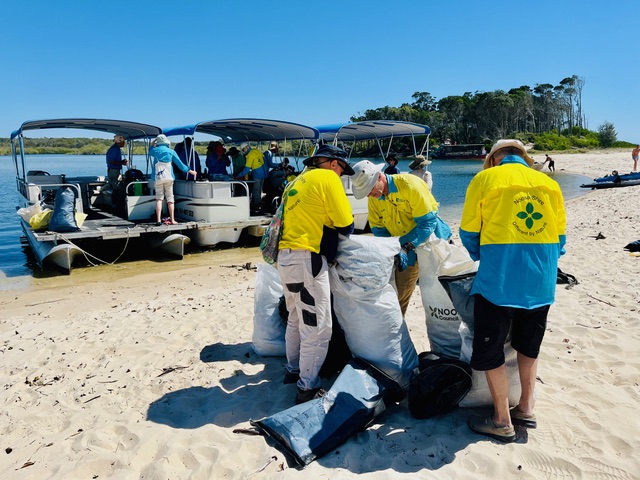
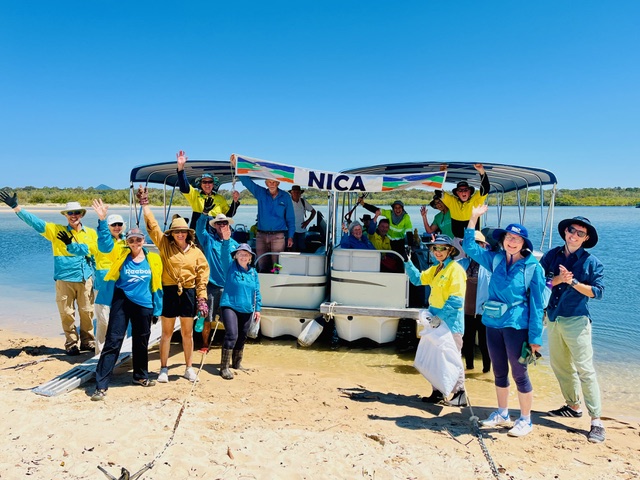
The first outing on the 25th September had 40 volunteers, two in kayaks and one tinny, we enjoyed perfect weather and a delicious morning tea. Our efforts resulted in 39 bags of weed removed. The second outing on the 9th October to remove the remainder of the invasive weed, saw many return with a sprinkle of new faces. Again 3 boats of eager volunteers. In total, volunteers worked for 135 hours.
It was extremely rewarding and enjoyable and happy to say we also garnered a few new members to NICA. A warm welcome aboard to the new members!
Many thanks to the QLD Gov for our Engaging Science Grant, which made it possible to hire the O Boats and for volunteers to be actively engaged.
AMERICAN SEA ROCKET Cakile edentula
American Sea Rocket Cakile edentula is a non-native, invasive weed succulent species in Australia, particularly in coastal environments like the strandlines, foreshores and dunes.
• It is growing in central and south-eastern Queensland, through New South Wales, Victoria, and South Australia to south-eastern parts of Western Australia, Tasmania and Lord Howe Island.
• It is native to North America (eastern Canada and eastern USA).
• It can hybridize with the invasive European Sea Rocket Cakile maritima which is the dominant species in NSW. Why it is a problem. American Sea Rocket Cakile edentula is considered allelopathic, meaning it releases substances into its root zone that can stunt or deter the growth of other types of plants. This allelopathic action is one way it contributes to its success and dominance, particularly when it is an invasive species in new environments. How Allelopathy Works in Sea Rocket
• Root Exudates: The plant releases chemicals from its roots into the surrounding soil.
• Plant Deterrence: These substances create a “competitive environment” for other, non-related plants.
• Invasive Success: This ability to inhibit other plant growth can be a significant factor in the success of the American Sea Rocket as an invasive species, helping it out-compete native species. Sea Rocket is a prolific seeder, so regular follow-up seedling removal will be essential.
The reason Noosa Integrated Catchment volunteers, assisted by community volunteers are urgently actively removing the plants, is because the Noosa River estuary which includes “Sand Island” and its sand spits is important habitat (food, shelter and/or nesting) for resident shorebirds and for Migratory Shorebirds which fly from Alaska and Siberia each year along the East Asian-Australasian Flyway. The flyway is a critical pathway for over 50 million migratory waterbirds. Its conservation involves international cooperation and protection of important wetlands across 22 countries.
The migratory birds are in Noosa Estuary between October and early April. NICA volunteers have been monitoring the shorebirds each month for 20 years. Due to recent changes in the river, a new comprehensive sand spit has built up – now connecting Sand Island with Northshore Head. This area was being colonized by American Sea Rocket and unless we took positive action to remove the thousands of plants (many seeding), the situation would have been dire, because American Sea Rocket’s allelopathic properties inhibit natural establishment of our native endemic plants and the plant is a prolific seeder. It is a relative newcomer to the Noosa weed portfolio, evident to Bushcarers as outlier plants for about 8 years.
American Sea rocket, if left unchecked will displace the native dune and foreshore vegetation depended on by our wildlife. It is spread by seed by pedestrian and wildlife traffic, wind, and the tides. Herbicide application is reported to check its growth, but ‘folar’ spray in windy situations is fraught with problems. Small plants are pullable once you break the surface tension around the stem. Care must be taken to pick up any dropped seed or leaves. Larger plants need to be dug with a large spade or fork. It is a labour intensive activity. Invasive introduced weeds are an escalating widespread and honestly overwhelming problem – Australia wide. Most Councils and State Governments cannot possibly do much apart from lip-service and/or grants for volunteers, so they don’t. Responsibility ends up coming back to volunteers to respond to a need, which NICA is doing, calling on community assistance because of urgency and the size of the infestation.
• Appearance: A succulent plant with fleshy, green, and occasionally purple-tinged leaves.
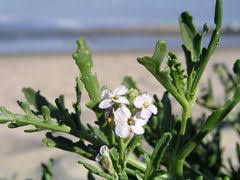
American Sea Rocket – Cakile edentula